A refined home does not require unnecessary spending. The key is knowing where design investment creates visible and functional impact, and where simpler choices will still perform well.
Prioritize the rooms used every day
Living rooms, kitchens and bedrooms usually deserve the first layer of investment because they affect daily comfort. Guest rooms or secondary walls can be kept simpler.
This approach helps homeowners achieve a premium interior mood while keeping the budget disciplined.
Spend on planning, not only finishes
Good drawings and storage planning can prevent expensive changes during execution.
Use custom work only where it matters
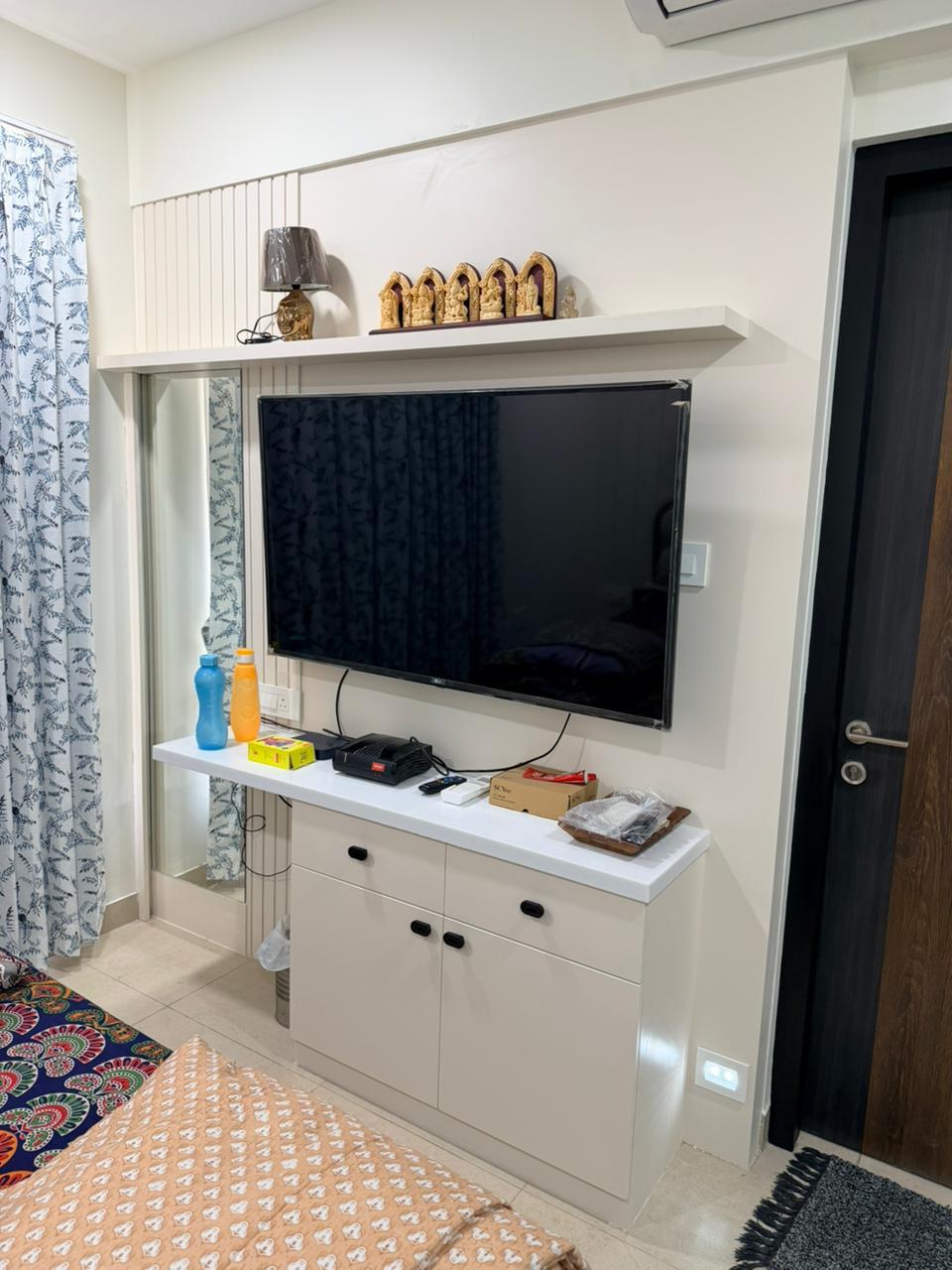
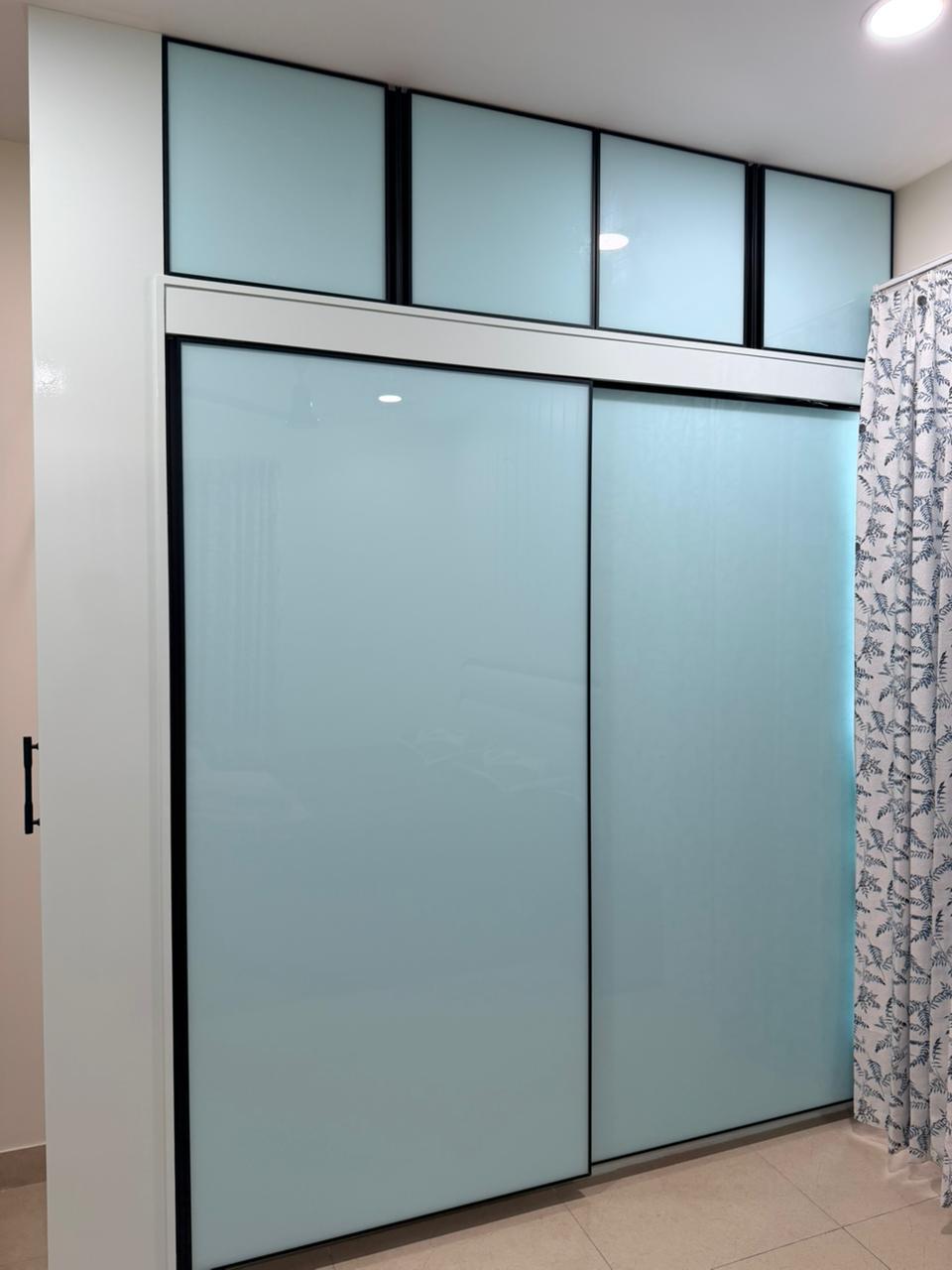
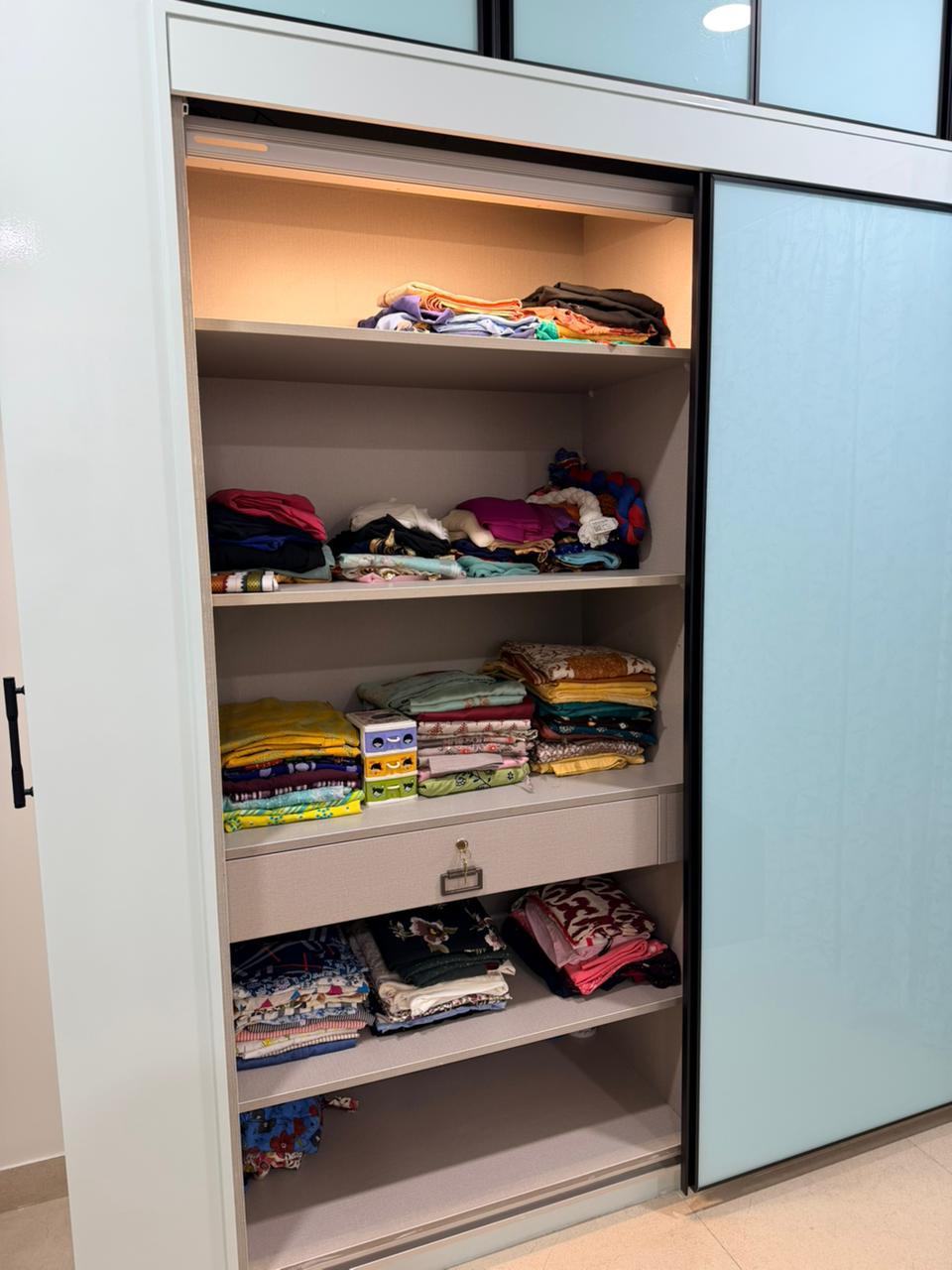
Custom furniture is valuable for wardrobes, kitchens, TV units and storage walls. Loose furniture can work for movable items where flexibility is useful.
Combining custom and ready furniture often gives a balanced result.
Choose durable finishes over trendy ones
A budget-friendly interior should still be easy to maintain. Surfaces that stain, chip or date quickly can cost more over time.
Neutral palettes, warm wood tones and clean lighting usually stay relevant longer than aggressive patterns.
FAQs
Can a budget-conscious home still look premium?
Yes. Clear planning, focused spending and restrained materials can create a premium look without overspending.
Where should I not cut costs?
Avoid cutting costs on wiring, hardware, waterproofing, kitchen worktops and heavily used storage systems.
Can interiors be completed in phases?
Yes. Phased execution works well when the full design direction is planned from the beginning.